Discovering the Beauty and Significance of Javanese Batik: A Focus on Floral Motifs and Dark Brown Designs
Javanese Batik is a traditional textile art form that has been practiced for centuries in Java, Indonesia. It is renowned for its intricate designs, rich colors, and deep cultural significance. This article delves into the world of Javanese Batik, with a special focus on the beautiful floral motifs and the elegant simplicity of dark brown color designs.
The Art of Javanese Batik: An Overview
Javanese Batik is a method of wax-resist dyeing applied to whole cloth, or cloth made using this method. The word "batik" itself is derived from the Javanese word "ambatik," which means "a cloth with little dots." The process involves applying hot wax to specific areas of the fabric, which resists the dye, creating patterns and designs. This technique has been passed down through generations and is recognized by UNESCO as a Masterpiece of Oral and Intangible Heritage of Humanity.
Significance and Cultural Importance
Batik holds immense cultural and historical significance in Javanese society. It is not just a piece of clothing but a symbol of identity, tradition, and heritage. Different regions in Java have their own unique styles and motifs, each with its own meaning and story. For example, batik from Yogyakarta often features geometric and floral patterns, while Pekalongan batik is known for its vibrant colors and intricate designs.
Floral Motifs in Javanese Batik
One of the most captivating aspects of Javanese Batik is the use of floral motifs. These designs are not just aesthetically pleasing but also carry deep symbolic meanings. Common floral motifs include lotus flowers, jasmine, and frangipani, each representing different virtues such as purity, love, and beauty.
- Lotus Flower: Symbolizes purity and enlightenment. In Javanese culture, the lotus is associated with spiritual growth and the journey towards enlightenment.
- Jasmine: Represents love and sensuality. Jasmine is often used in wedding ceremonies and is a symbol of marital bliss.
- Frangipani: Embodies beauty and grace. This flower is commonly used in religious offerings and is believed to bring good luck and prosperity.
Practical Relevance in Modern Life
Today, Javanese Batik with floral motifs is not only worn during traditional ceremonies but also incorporated into modern fashion. Designers around the world are inspired by the intricate and meaningful designs, incorporating them into contemporary clothing, accessories, and home decor. This fusion of traditional and modern aesthetics helps keep the art form alive and relevant in today's globalized world.
Elegance in Simplicity: Dark Brown Batik Designs
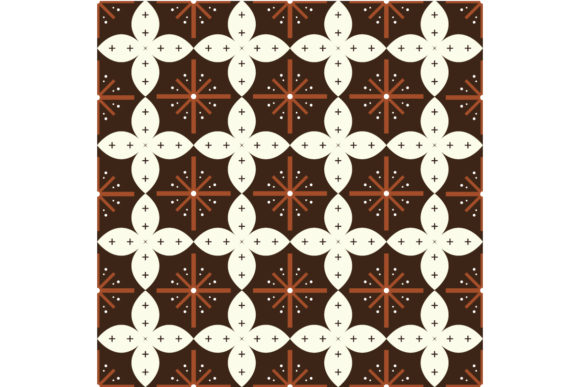
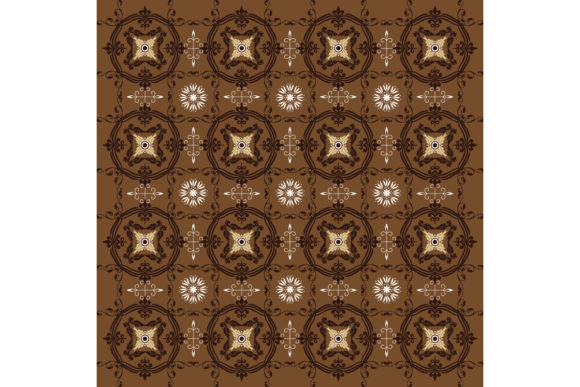
While Javanese Batik is often associated with vibrant colors and complex patterns, there is a timeless elegance in the simplicity of dark brown batik designs. Dark brown batik, also known as "batik coklat gelap," is favored for its understated sophistication and versatility.
Characteristics and Uses
Dark brown batik is typically created using natural dyes, such as soga (a type of tree bark) and indigo. The resulting fabric has a warm, earthy tone that can be both subtle and striking. This color is often used in formal wear, such as shirts, dresses, and sarongs, making it a popular choice for professional and ceremonial occasions.
- Formal Wear: Dark brown batik is ideal for formal events, such as weddings, business meetings, and cultural festivals. Its neutral yet rich color complements a wide range of skin tones and body types.
- Home Decor: The warm, earthy tones of dark brown batik make it a perfect choice for home decor. It can be used for tablecloths, curtains, and cushions, adding a touch of elegance and cultural richness to any space.
- Art and Collectibles: Many collectors and art enthusiasts appreciate the beauty and craftsmanship of dark brown batik. Hand-painted and hand-drawn pieces, in particular, are highly valued for their unique designs and artistic value.
Common Misunderstandings and Clarifications
There are several common misconceptions about Javanese Batik that are worth clarifying:
- Misunderstanding 1: Batik is only for traditional wear. Clarification: While batik is deeply rooted in tradition, it has evolved to be a versatile fabric that can be used in modern fashion and everyday life.
- Misunderstanding 2: All batik is the same. Clarification: Each region in Java has its own distinct style and motifs, reflecting the local culture and history. Understanding these differences adds to the appreciation of the art form.
- Misunderstanding 3: Batik is too expensive. Clarification: While high-quality, hand-painted batik can be costly, there are many affordable options available, including machine-printed batik and simpler designs.
Conclusion
Javanese Batik, with its rich history, cultural significance, and stunning designs, continues to captivate people around the world. The beautiful floral motifs and the elegant simplicity of dark brown designs offer a glimpse into the depth and diversity of this traditional art form. Whether you are a collector, a fashion enthusiast, or simply someone who appreciates the beauty of handmade textiles, Javanese Batik has something to offer. By embracing and supporting this art form, we not only preserve a valuable part of our cultural heritage but also contribute to the ongoing evolution of this timeless craft.
Learn more about Javanese Batik and its various styles and motifs.